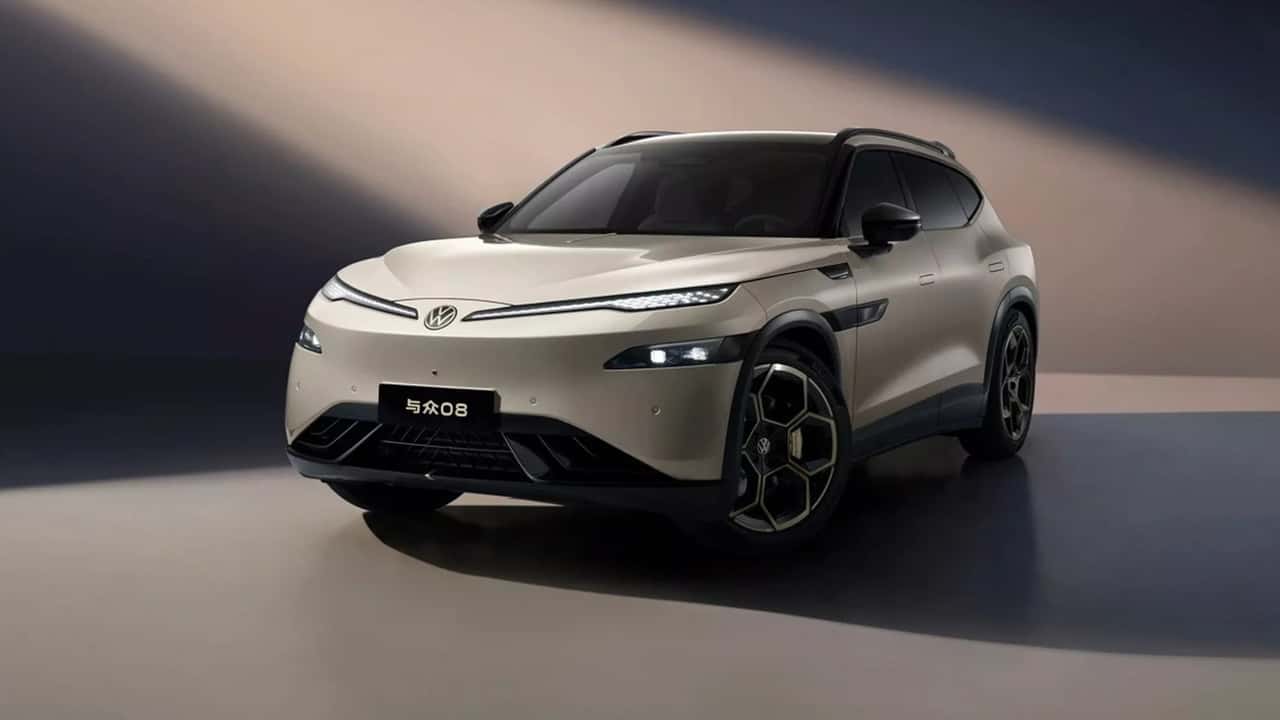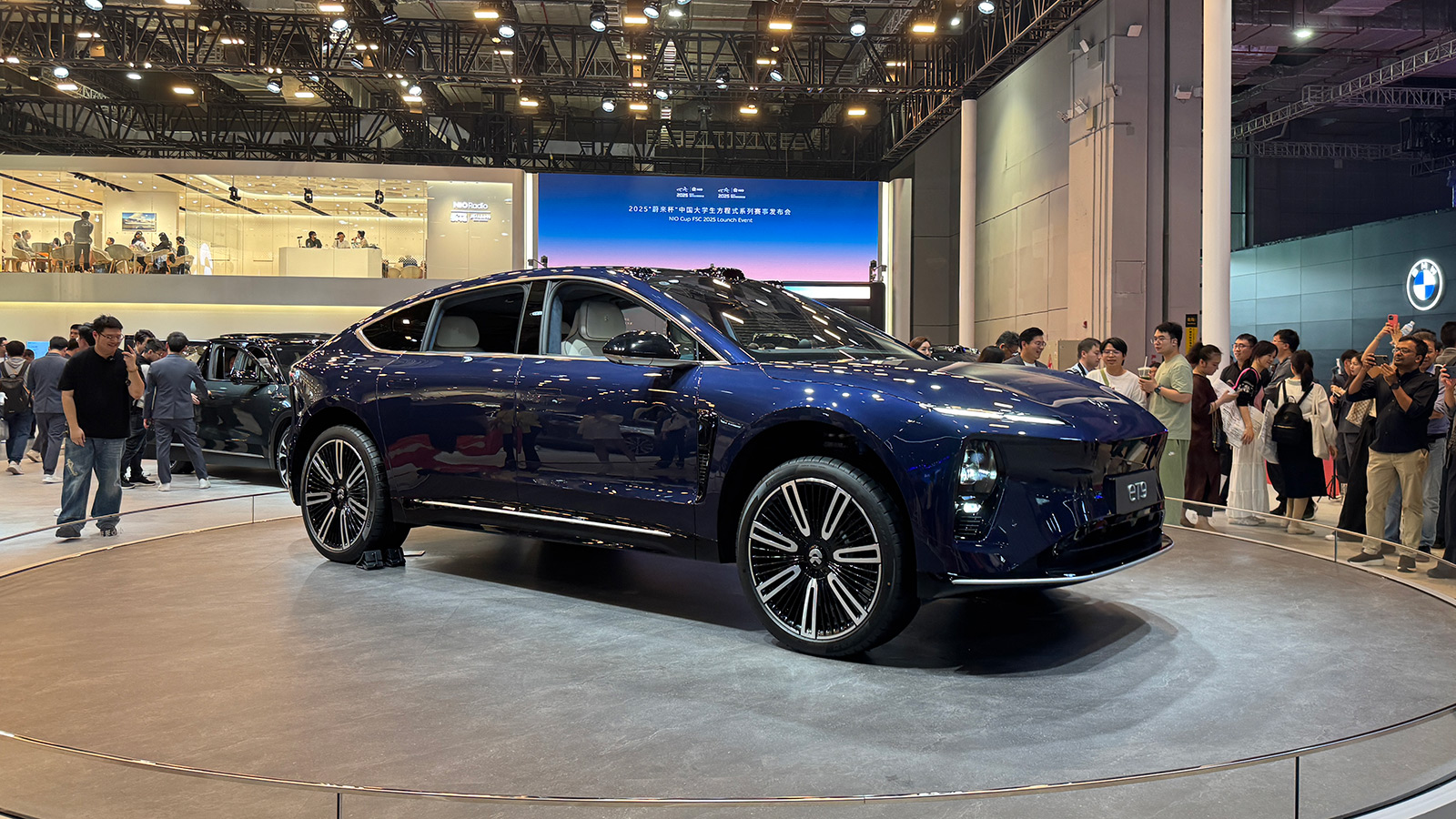
Domestic automakers including Nio, Xpeng, Xiaomi EV, and Li Auto, alongside international brands such as BMW, Mercedes-Benz, and Audi, will participate.
The total number of vehicles on display will be 1,085, with NEVs accounting for 629 units, or 58 percent.




 The International Energy Agency (IEA) says renewables and AI are reshaping the world’s energy future, and that transformation is happening faster than anyone expected. In its new “World Energy Outlook 2025,” the IEA warns that energy security risks now stretch far beyond oil and gas. Critical minerals essential to clean tech, defense, and AI have become the new fault lines in global supply chains. The IEA also states that energy has become a central focus of geopolitical power struggles, making it one of the defining economic and security challenges of our time.
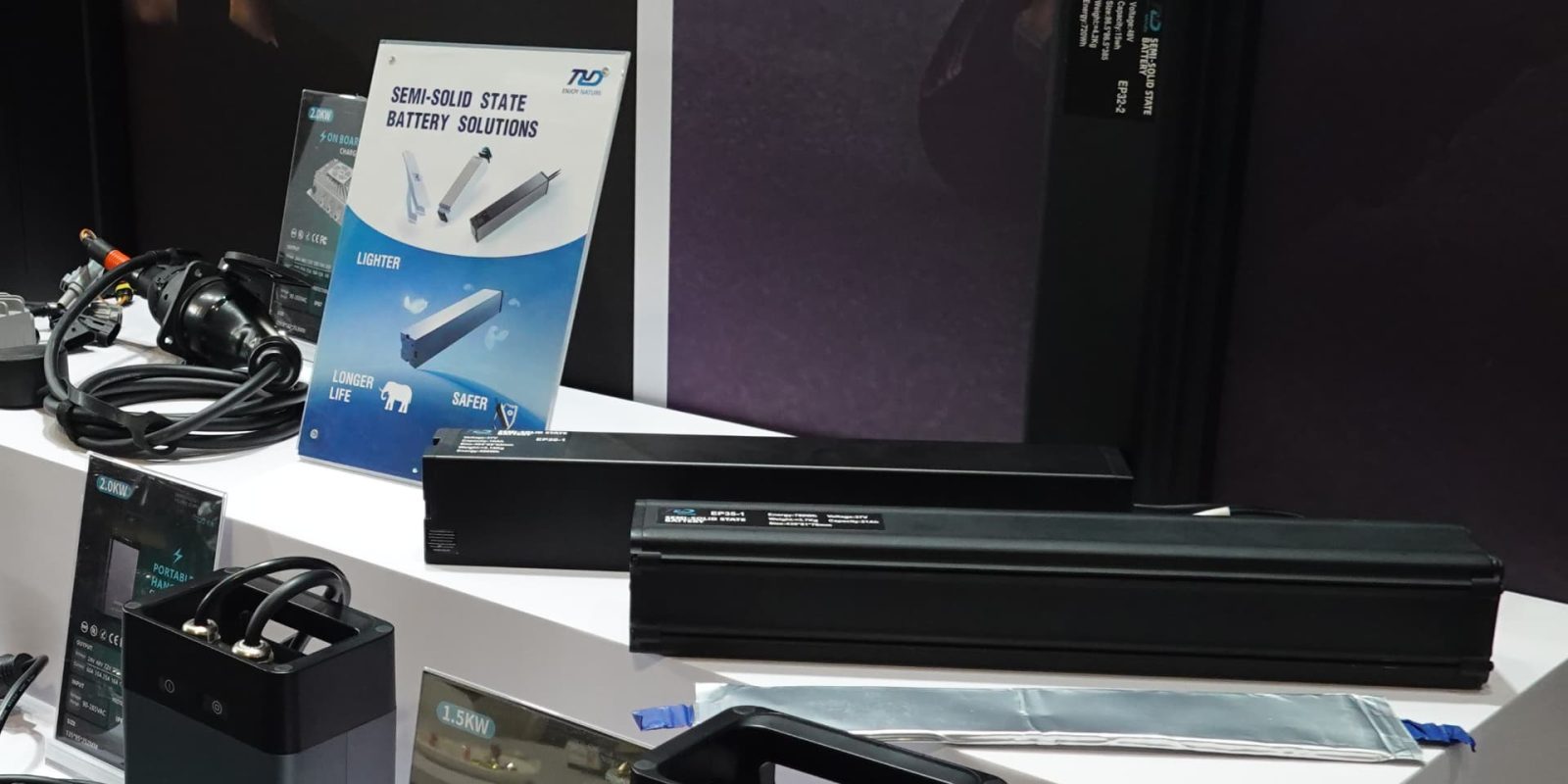 Solid-state batteries have long been the holy grail of electric vehicles, especially for light EVs like electric bicycles that are usually charged indoors. They hold major safety benefits over traditional lithium-ion batteries, plus offer better energy density, making it possible to use smaller batteries or simply fit more capacity in the same-sized battery pack.
 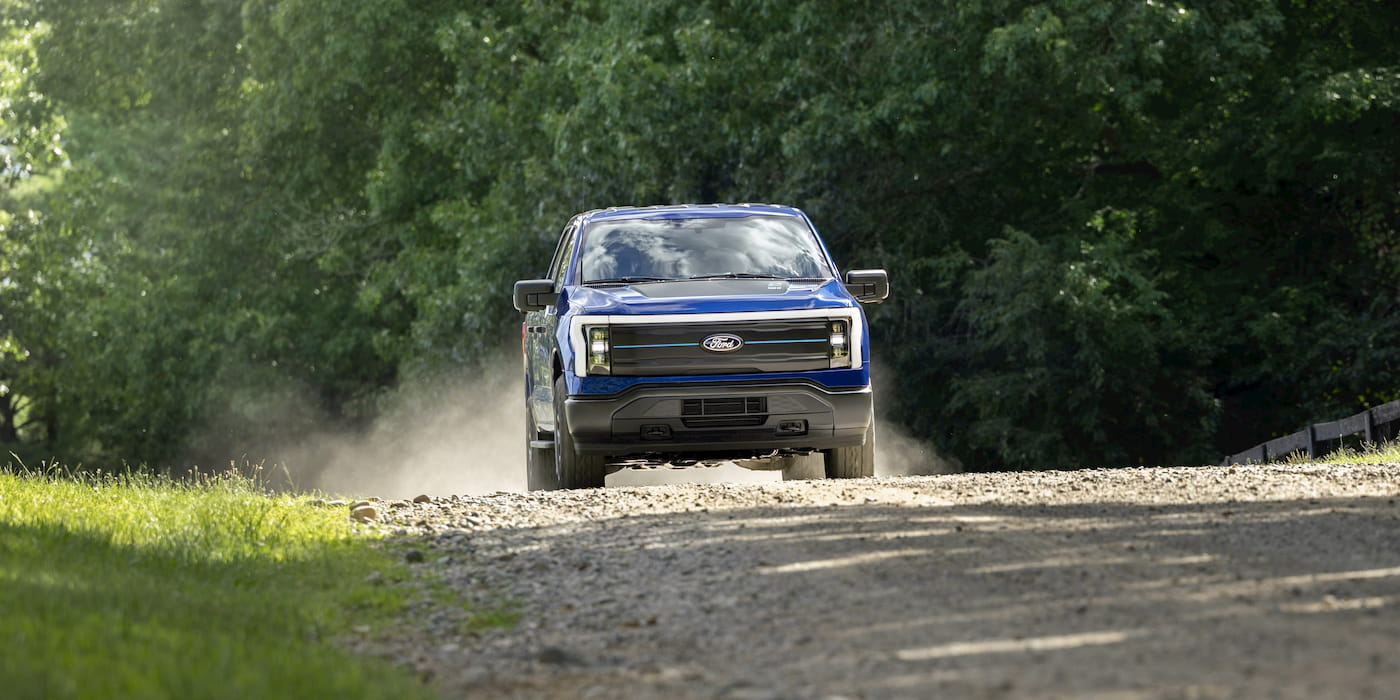 Ford’s CEO Jim Farley admitted he was humbled after tearing down the first Tesla and Chinese EVs. If it wants to compete globally, Ford can’t walk away from EVs altogether, so it’s planning to shake things up.